
Pocket Money
The Numeracy Hidden Inside Pocket Money
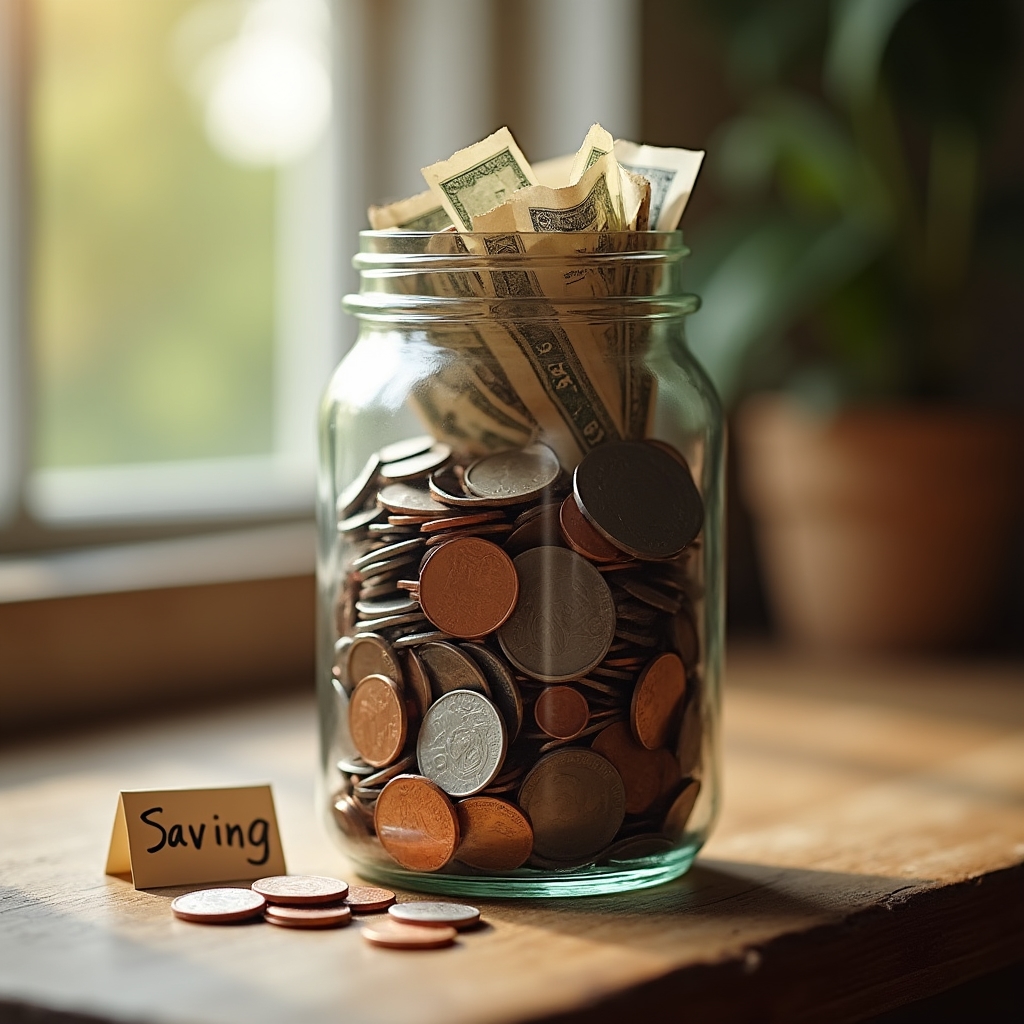
When a seven-year-old splits their weekly pocket money into a spending pot and a saving pot, they're doing fractions. They just don't know it yet.
Read article
The supermarket queue. A pocket money argument. The first payslip. These ordinary moments are where real financial understanding grows. No worksheets required.
Children don't learn to walk from a textbook. They learn by doing it, falling, and trying again. Money understanding works the same way. The moment your child counts change at a till, they're doing numeracy. When a teenager opens a bank statement and asks what a direct debit is, that's financial literacy happening in real time.
This blog exists for parents who want to meet those moments well. Not with a lecture. With a conversation.
Explore parent resources
Each theme connects to a moment most families already experience. The difference is knowing how to use it.
Giving pocket money isn't just generosity. It's a numeracy lesson in disguise. Counting, dividing, saving, spending: the maths lives inside the decision-making.
Read moreSometimes the most powerful thing a parent can do is step back. Letting a child make a regrettable purchase teaches what no amount of advice can: consequence.
Read morePRSI, USC, gross versus net: a teenager's first payslip can feel like a foreign language. Sitting down together to decode it transforms confusion into confidence.
Read moreThe act of walking into a bank together, filling in the form, choosing a PIN: these rituals matter more than the opening balance. It's about belonging to the financial world.
Read more
Financial confidence isn't built in a classroom. It grows through repeated small moments at home.
Counting change, working out percentages in a sale, dividing pocket money into spending and saving: these build genuine maths fluency in context.
Children who experience small financial disappointments early are better prepared to handle bigger ones. The toy that broke a week after purchase is a gift in disguise.
Understanding where money comes from, including what tax is deducted and why, gives teenagers a grounded sense of effort and reward.
Young people who have opened a bank account with a parent feel less intimidated by banks, mortgages, and financial paperwork as adults.
Written for parents who want practical thinking, not prescriptions.
When a seven-year-old splits their weekly pocket money into a spending pot and a saving pot, they're doing fractions. They just don't know it yet.
Read article
Your daughter wants the glittery pencil set that will break in a week. You know it. She doesn't. This is the moment. Step back.
Read article
Gross pay, net pay, USC, PRSI. Your teenager's first payslip is a document full of mystery. Here's how to decode it as a team.
Read article
Comparing unit prices. Choosing own-brand versus branded. Checking if the multi-buy deal actually saves money. The weekly shop is full of teachable moments.
Read article
The amount deposited on day one is almost irrelevant. What matters is the ritual: the form, the card, the PIN, the first login. Belonging starts here.
Read articleThe conversations we have at the kitchen table about money shape how our children think about it for the rest of their lives. Not the bank accounts we open. Not the allowances we set. The conversations.From the Yiwine Xoxobo blog
Whether your child is five or fifteen, there's a money conversation that fits right now. The For Parents section organises ideas by age and situation so you can find what's relevant without wading through everything at once.
No products. No sales pitches. Just thinking tools for the moments that come up.
Explore the GuideIntroducing the concept of exchange, counting small amounts, and understanding that money is finite.
Waiting for something bigger. Choosing between two things you want. The beginning of delayed gratification.
Part-time work, bank accounts, payslips, and the real cost of things teenagers want to buy independently.